Independent projects / Art commissions
Transit
Imagine the Future
Undermined
I went looking for a ship
La Palma Endemic Time
False Flat
Knotwilgen
Archive
Client-based work / commissions
Cultural institutions/editorial
KLM
portfolio
Pandemic hits an airline (KLM)
Shipping industry
Independent projects / Art commissions
Transit
Imagine the Future
Undermined
I went looking for a ship
La Palma Endemic Time
False Flat
Knotwilgen
Archive
Client-based work / commissions
Cultural institutions/editorial
KLM
Pandemic hits an airline (KLM)
Shipping industry
Transit is an exhibition presenting art and science, initiated by researchers from Sustainable Industry Lab and curated by Projectspace on the Inside. Central to the theme is the energy transition, and specifically how the distribution of wealth, extraction, industrial opportunity and responsibility will shift. The research results pose the question whether the Netherlands has the courage to opt for transformation.
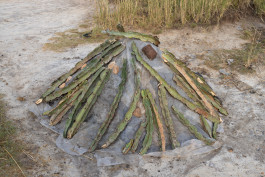
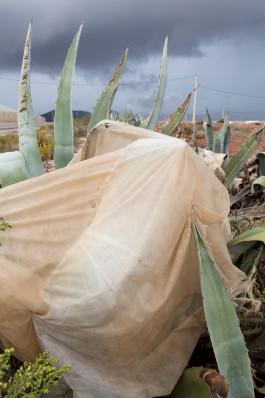
'Natascha Libbert’s photographs trace the indelible mark that human presence leaves on nature, and are permeated by a profound sense of urgency. The installation consists of 24 images hanging within a large space. Some images depict moments of destruction at times when crises are converging. Others show the beginning of something new. In her work, Libbert focuses on a world of both destruction and recovery. Her images represent both sustainability and destruction, accountability and complicity.' - Bram Vermeer
The dismantled Boeing 747 is a relic of an era that comes to an end prematurely during COVID and is used for recycling. A metaphor for industrial transition. Controlled burns are a means to prevent uncontrolled fires in times when drought and heat is increasing. They are also a healthy means of promoting ecology. If done right. The industry of agriculture in the south of Spain supplies Northern Europe with food but is a toxic place to live as an illegal worker and creates an overwhelming quantity of plastic permeating the landscape and plant-life in its core. A vulnanic eruption is a forebode to destruction yet also new fertility. The salt and rock we extract is commonly work done by women and children providing riches elsewhere.
To every destruction there is also a paradoxical strength of resilience. I chose to depict landscapes earthly and unearthly, plants and fires and eruptions as a profound example of not only destruction but also resurrection because it is the paradox of our times that while we are as societies, fixated on the promise of "better" and "more", we will experience a shift of welfare within a time challenged by climate change, extreme weather, the destruction of flora and fauna, the disappearance of landscapes and entire regions that have become uninhabitable due to human activity (climate change or extraction). As a result, that which we have become accustomed to wanting or achieving, is no longer a given.
Libbert’s images are rich in colour and alluring in form. Their chromatic richness draws the viewer in, only to reveal something changeable and unsettling beneath the surface. What remains when we extract? What do we build when we ignite? Who benefits when we grow?


Transit is an exhibition presenting art and science, initiated by researchers from Sustainable Industry Lab and curated by Projectspace on the Inside. Central to the theme is the energy transition, and specifically how the distribution of wealth, extraction, industrial opportunity and responsibility will shift. The research results pose the question whether the Netherlands has the courage to opt for transformation.
'Natascha Libbert’s photographs trace the indelible mark that human presence leaves on nature, and are permeated by a profound sense of urgency. The installation consists of 24 images hanging within a large space. Some images depict moments of destruction at times when crises are converging. Others show the beginning of something new. In her work, Libbert focuses on a world of both destruction and recovery. Her images represent both sustainability and destruction, accountability and complicity.' - Bram Vermeer
The dismantled Boeing 747 is a relic of an era that comes to an end prematurely during COVID and is used for recycling. A metaphor for industrial transition. Controlled burns are a means to prevent uncontrolled fires in times when drought and heat is increasing. They are also a healthy means of promoting ecology. If done right. The industry of agriculture in the south of Spain supplies Northern Europe with food but is a toxic place to live as an illegal worker and creates an overwhelming quantity of plastic permeating the landscape and plant-life in its core. A vulnanic eruption is a forebode to destruction yet also new fertility. The salt and rock we extract is commonly work done by women and children providing riches elsewhere.
To every destruction there is also a paradoxical strength of resilience. I chose to depict landscapes earthly and unearthly, plants and fires and eruptions as a profound example of not only destruction but also resurrection because it is the paradox of our times that while we are as societies, fixated on the promise of "better" and "more", we will experience a shift of welfare within a time challenged by climate change, extreme weather, the destruction of flora and fauna, the disappearance of landscapes and entire regions that have become uninhabitable due to human activity (climate change or extraction). As a result, that which we have become accustomed to wanting or achieving, is no longer a given.
Libbert’s images are rich in colour and alluring in form. Their chromatic richness draws the viewer in, only to reveal something changeable and unsettling beneath the surface. What remains when we extract? What do we build when we ignite? Who benefits when we grow?